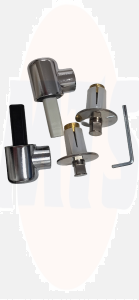
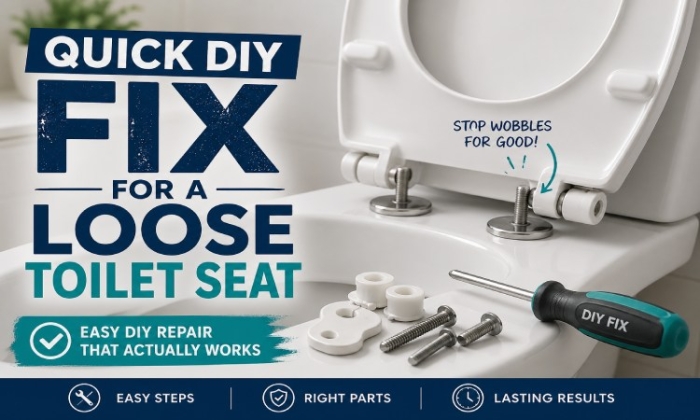
A loose toilet seat can quickly become frustrating, but fixing it doesn’t have to be complicated. With the right approach and properly fitted Toilet Seat Brackets and fittings, you can stop the wobble in minutes. Instead of repeatedly tightening bolts, checking alignment and replacing worn parts offers a more reliable solution. Simple DIY toilet repair steps not only improve stability but also extend the life of your toilet seat. For long-lasting results, using quality Toilet Seat Fittings ensures your bathroom stays comfortable and hassle-free.
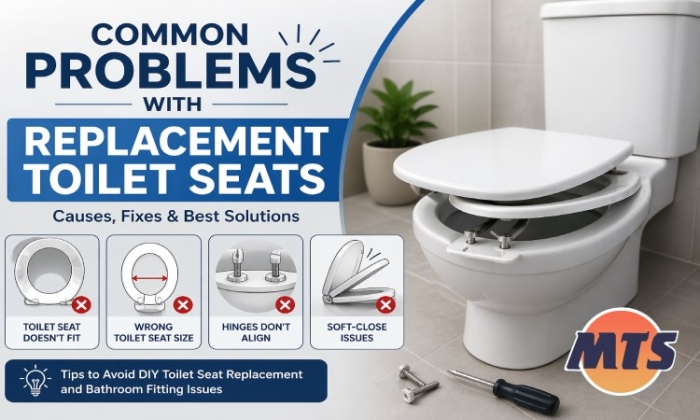
Replacing a toilet seat should be simple, but it often leads to unexpected fitting problems. Many people face issues like incorrect sizing, misaligned hinges, or seats that feel loose after installation. These problems usually happen when a universal seat is used instead of a model-specific option.
To avoid these issues, it’s important to measure your toilet correctly and choose a seat designed for your exact model. Using the right fittings and ensuring proper alignment can make a big difference in comfort and durability.
Choosing a high-quality, well-matched replacement not only improves stability but also prevents ongoing adjustments and frustration.
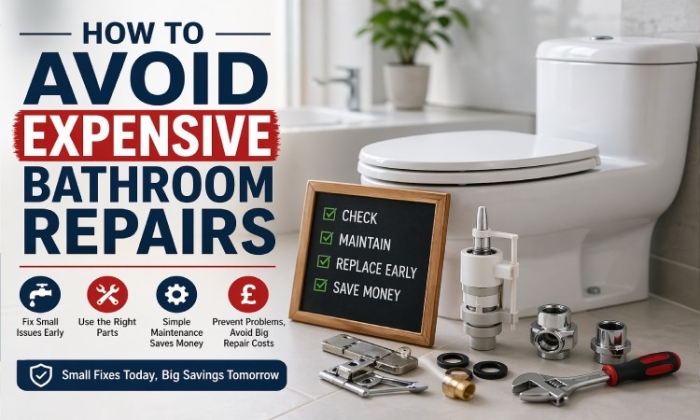
Small bathroom issues can quickly turn into expensive repairs if ignored. Learn how to spot early warning signs, use the right replacement parts, and fix problems before they become costly.
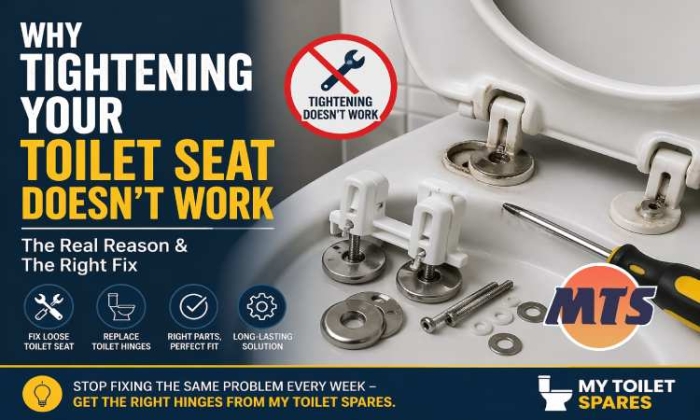
Tightening your toilet seat but it keeps coming loose? The issue isn’t the screws—it’s usually worn or incorrect hinges. Learn why tightening doesn’t work and how replacing the right toilet hinges can fix the problem for good.
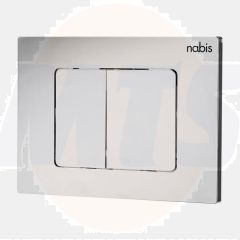
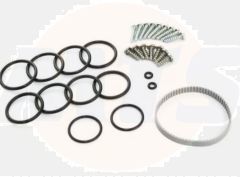
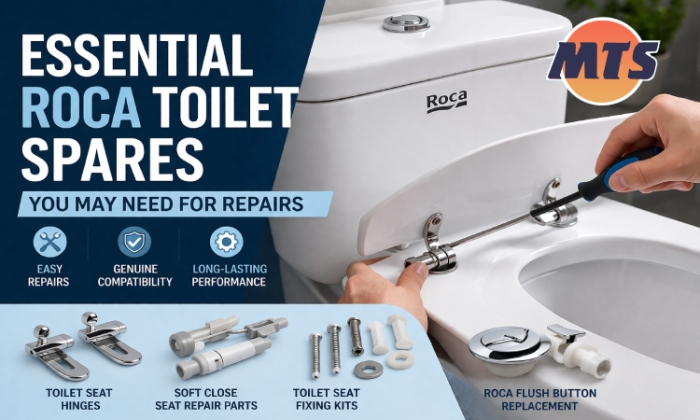
Roca toilet repairs are often simple and cost-effective when you use the right spare parts. Common issues like loose seats, worn hinges, and faulty flush buttons can usually be fixed with replacement components such as hinge kits, soft close seat mechanisms, and toilet seat fixing kits. By identifying the correct parts and making small repairs, you can extend the life of your toilet without needing a full replacement.
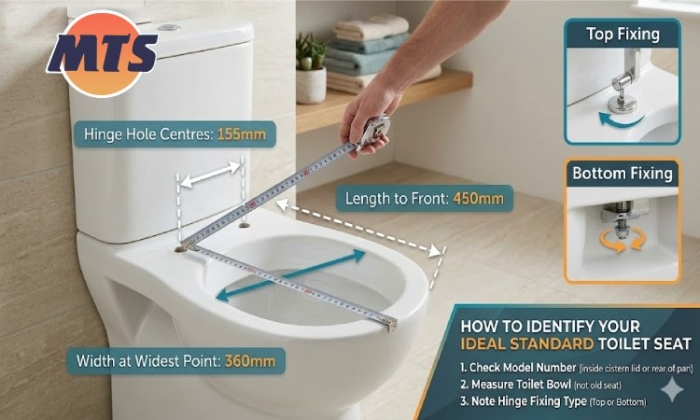
Don't let a broken toilet seat turn into a DIY headache. From hidden model numbers to measuring the pan correctly, our guide shows you exactly how to identify your Ideal Standard toilet seat and choose the right hinges for a perfect fit every time.
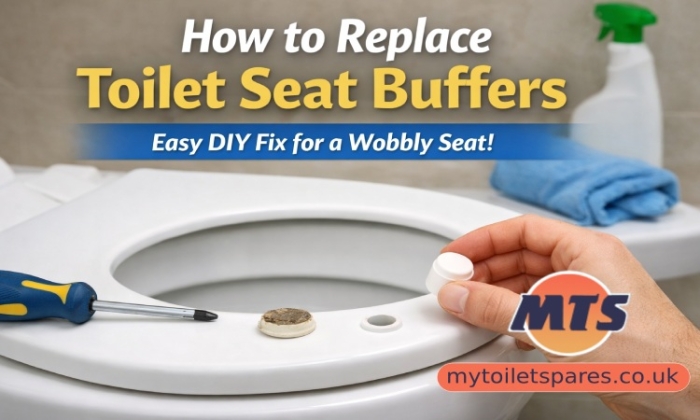
A loose or wobbling toilet seat is often caused by worn-out buffers underneath. These small rubber pads provide support and stability, preventing direct contact with the ceramic bowl. Over time, they flatten or fall off, leading to movement and discomfort.
Replacing toilet seat buffers is a quick and simple DIY fix that can restore stability in minutes without needing to replace the entire seat.
Most toilets just sit there doing their job for years. No fuss, no attention needed.
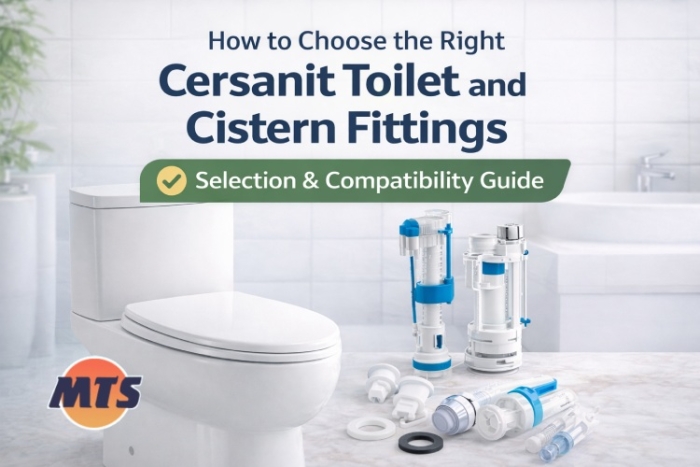
Then suddenly something small stops working. The flush gets weak, the seat feels loose, or water keeps running longer than it should. That’s usually when people start looking into Cersanit toilet fittings.
Start by Identifying Your Cersanit Toilet
Not every Cersanit toilet is built the same. Some are compact wall-mounted designs while others are the traditional floor-standing ones.
Seat shape, hinge spacing and internal mechanisms can change depending on the model.
If you can find the model marking on your Cersanit Toilet, it helps a lot. Sometimes it’s inside the cistern lid or tucked behind the seat hinges. Not always easy to spot though.
The Parts Inside the Cistern
Inside the cistern you’ll usually find a few working parts doing the important stuff.
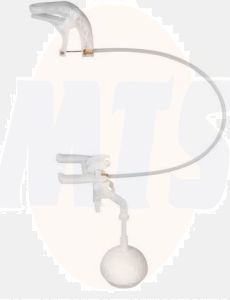
There’s the inlet valve that fills the tank, the flush valve that releases the water, and the push button mechanism.